Community Living Supports: Building Independence Through NOW/COMP
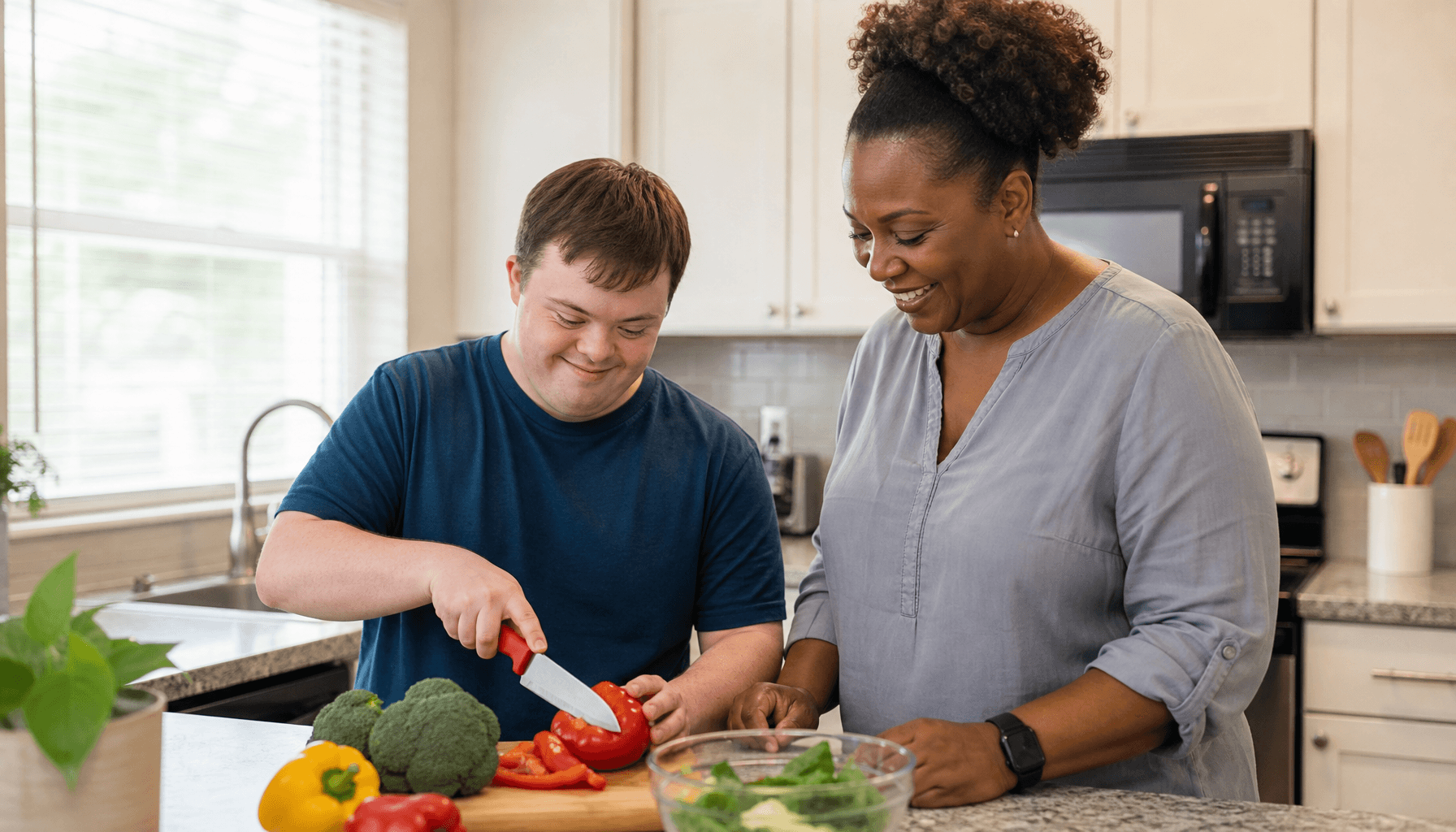
For many families supporting a loved one with an intellectual or developmental disability (I/DD), the goal is simple to say and profound to achieve: a full, independent life at home and in the community. Community Living Supports, usually shortened to CLS, is one of the services in Georgia's NOW and COMP waivers designed to make exactly that possible.
CLS is often the most flexible and personal service a family will encounter in the waiver system. Rather than a one-size-fits-all program, it wraps around your loved one's real, everyday routine. This guide explains what Community Living Supports is, what it covers, and how it helps build lasting independence.
What Are Community Living Supports?
Community Living Supports are individually tailored services that help a person with I/DD live successfully in their own home or their family's home. Both of Georgia's I/DD waivers include CLS: the New Options Waiver (NOW) and Comprehensive Supports Waiver (COMP), which are administered by the Georgia Department of Behavioral Health and Developmental Disabilities (DBHDD) in partnership with the Georgia Department of Community Health.
The heart of CLS is assistance combined with teaching. A direct support professional does not simply do tasks for your loved one. Instead, they support the person in doing as much as they can themselves, building skills and confidence over time.
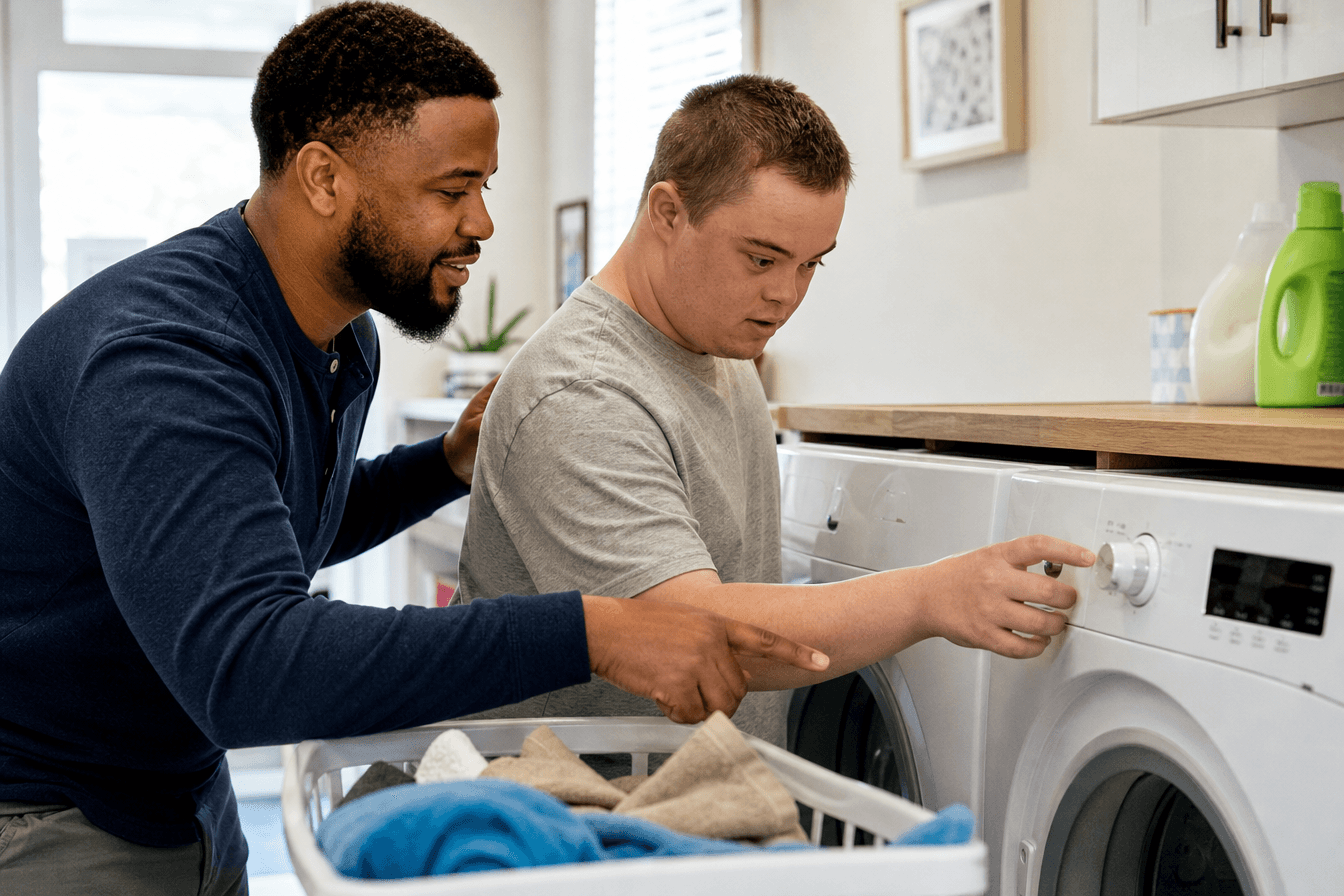
CLS is delivered where life actually happens: in the kitchen, the bathroom, the neighborhood grocery store, the bank, or the local park. That everyday setting is what makes it so effective at building independence.
What Does CLS Actually Cover?
Because Community Living Supports are built around the individual, no two service plans look exactly alike. Still, most CLS supports fall into a few core areas.
Daily Living and Personal Care
This is the hands-on support that helps a person move through their day safely and with dignity:
- Bathing, dressing, grooming, and toileting
- Preparing meals and eating
- Light housekeeping and home safety
- Supervision and reminders for taking medication
Skill Building and Independence
The teaching side of CLS is where long-term growth happens. A support professional helps your loved one practice and strengthen skills such as:
- Cooking, cleaning, and managing a household routine
- Shopping, banking, and handling money
- Making decisions and solving everyday problems
- Building social skills and healthy daily habits
Community Participation
CLS also helps people stay connected to the world around them, from exercising and running errands to taking part in neighborhood life. For structured outings and social activities, CLS often works alongside a related waiver service called Community Access.
The goal of CLS is never to do life for someone. It is to stand beside them, offer the right amount of help, and step back a little more each time they are ready.
Independence Looks Different for Everyone
One of the most important things families learn is that "independence" is not a single destination. For one person it may mean living in their own apartment with a few hours of support each week. For another, it may mean staying safely in the family home with more intensive daily assistance.
This is where the difference between the two waivers matters:
- NOW (New Options Waiver) generally serves individuals who need moderate support and are working toward greater independence, often living with family or in their own place.
- COMP (Comprehensive Supports Waiver) serves individuals with more intensive needs and can provide higher-intensity supports, including up to around-the-clock assistance for those who require it.
For a fuller comparison of the two programs, see our guide to understanding the difference between NOW and COMP waivers.

Whichever waiver applies, the CLS service is written into the person's Individual Service Plan (ISP), which spells out exactly how many hours are authorized and which goals the support is meant to advance.
You Have a Say: Participant Direction
Georgia's waiver programs also offer participant direction, sometimes called self-direction. This gives families more control over how services are delivered, including a role in choosing and managing the people who provide support.
Participant direction is not the right fit for everyone, and it does add responsibility. But for families who want a stronger hand in shaping their loved one's day-to-day care, it can be a meaningful option worth discussing with your support coordinator.
Getting Started With CLS
Community Living Supports are only available once your loved one is enrolled in the NOW or COMP waiver. Because both programs have long interest lists, the most important step is to get started early.
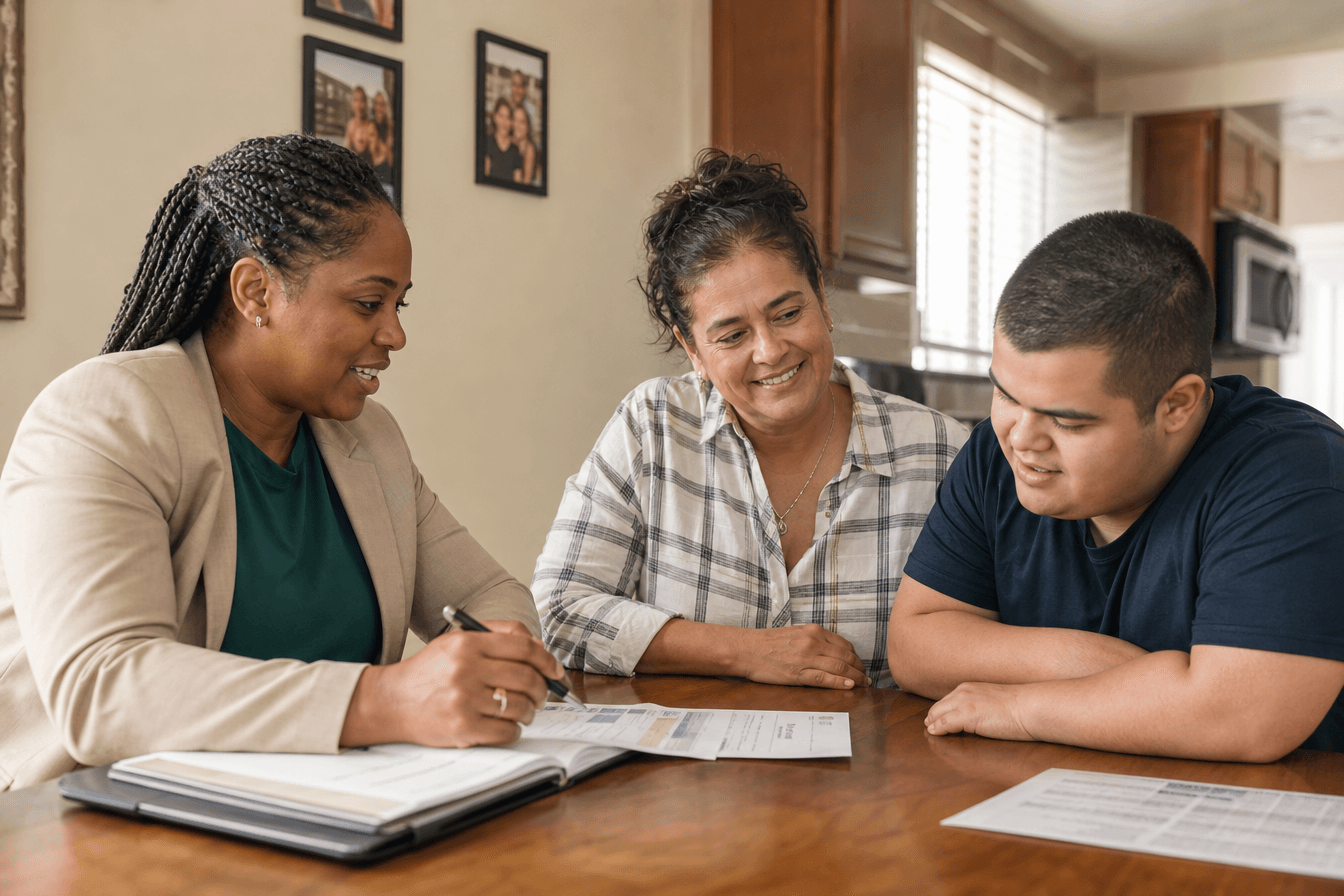
Here is the general path:
- Enroll in Georgia Medicaid. Medicaid eligibility is the foundation for both waivers. If you are not enrolled yet, our step-by-step guide to applying for Medicaid in Georgia walks through the process.
- Request placement on the DBHDD Interest List. Contact your regional DBHDD office or call 1-800-436-7442. Time on the list matters, so apply as soon as you can, even for a young child.
- Complete the assessment. When a waiver slot becomes available, DBHDD conducts a functional assessment to confirm eligibility and level of need.
- Build the service plan. A support coordinator helps develop the Individual Service Plan, including how CLS and other services will be used, and connects your family with providers.
To qualify, an individual generally must be enrolled in Georgia Medicaid and have a documented intellectual disability or a closely related developmental disability, such as autism, cerebral palsy, or epilepsy. Your support coordinator can confirm the specific criteria and help you gather documentation.
Georgia serves thousands of individuals through the NOW and COMP waivers. Staying engaged with DBHDD and your support coordinator is the best way to keep moving forward, even when the wait feels long.
How Heart and Soul Healthcare Helps
Once your loved one is approved for CLS under NOW or COMP, Heart and Soul Healthcare provides the direct support that turns a service plan into real, daily progress. Our team focuses on the person, not just the tasks: helping build skills, supporting personal care with dignity, and encouraging genuine participation in home and community life.
If you are still navigating eligibility, the interest list, or service planning, we are glad to help you understand your next step. Building independence is a journey, and you do not have to walk it alone.
Ready to Get Started?
Contact Heart and Soul Healthcare today to learn how our programs can support you or your loved one.
Related Articles
Continue reading about NOW/COMP