EDWP Explained: How CCSP and SOURCE Keep Seniors Safely at Home
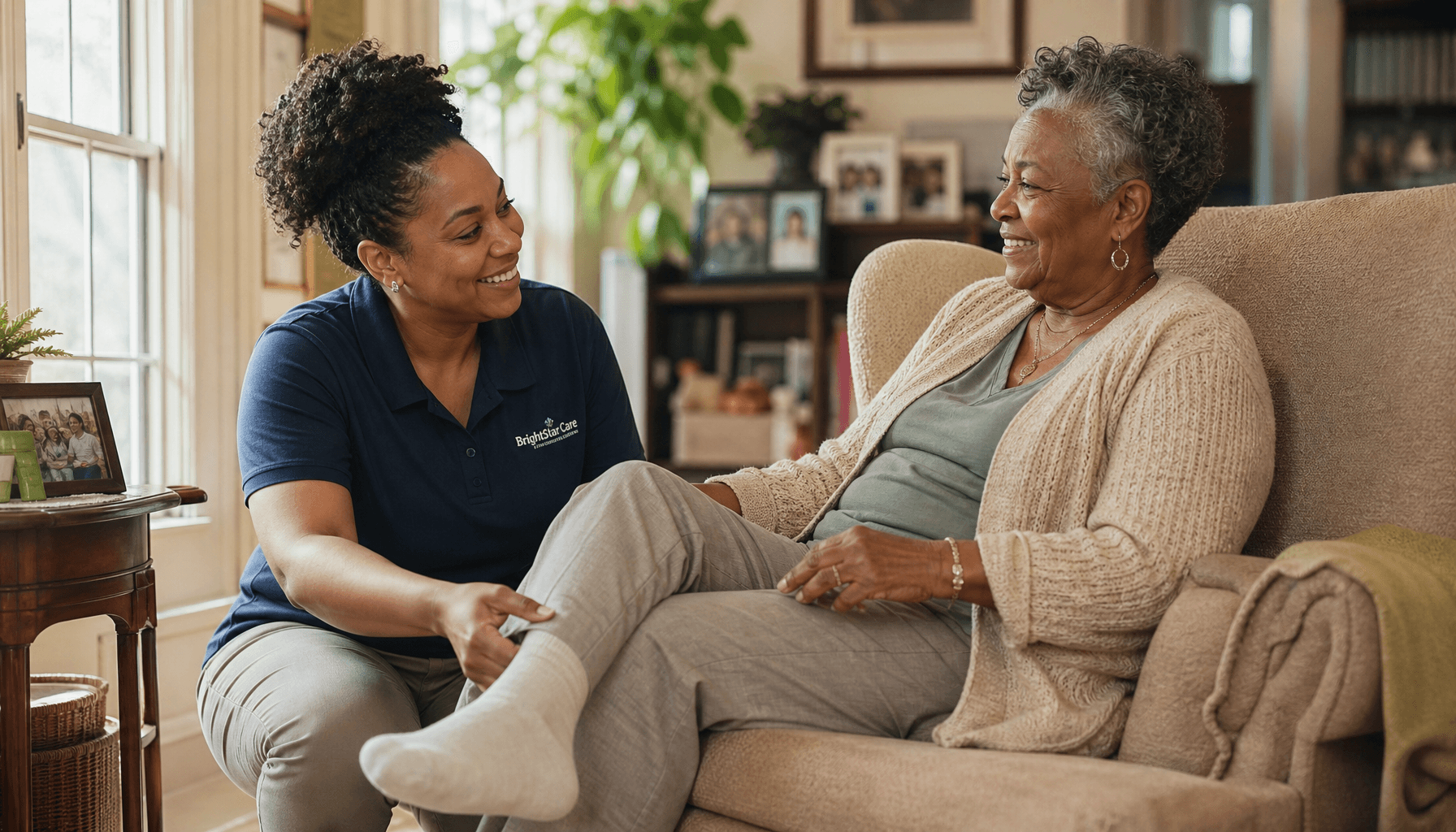
If you are caring for an aging parent, the question that keeps you up at night is rarely about money or paperwork. It's simpler and heavier than that: Can Mom stay in her own home, or are we running out of options?
For thousands of Georgia families, the answer is yes, she can stay home, and the program that makes it possible is one most people have never heard of: the Elderly and Disabled Waiver Program, or EDWP. It is Georgia Medicaid's main tool for keeping older adults and disabled adults safely in their own homes instead of moving them into a nursing facility. EDWP delivers its services through two programs you may see named on paperwork: CCSP and SOURCE.
This guide explains what EDWP is, the difference between CCSP and SOURCE, who qualifies, what's actually covered, and the real steps to apply.
What EDWP Is, in Plain Terms
EDWP is a Medicaid waiver. A waiver lets the state "waive" the usual rule that long-term care has to happen in an institution, and instead pay for that same care in a person's home and community. The goal is written right into the program: maintain or increase a person's functioning so they can stay out of a nursing facility.
In practice, that means a senior who needs help with bathing, meals, medications, or daily supervision can receive that help at their kitchen table instead of in a facility hallway. EDWP serves:
- Adults aged 65 and older, and
- Adults aged 21 and over with qualifying physical disabilities
who are functionally impaired and meet what Georgia calls the Intermediate Nursing Home Level of Care criteria. In everyday language: the person's needs are serious enough that, without support, a nursing home would be on the table.
The heart of EDWP is a single idea: needing help should not mean leaving home. The program brings the support to the person, not the person to an institution.

CCSP vs. SOURCE: Two Doors to the Same House
This is where families get confused, so let's make it simple. CCSP and SOURCE are both delivery channels under the EDWP umbrella. They offer overlapping services and share the same mission. The difference is mostly in how care is coordinated.
CCSP (Community Care Services Program)
CCSP provides a broad array of home and community-based services for elderly and disabled individuals. A care coordinator assesses needs, builds a care plan, and arranges services like personal support, adult day health, and home-delivered meals. CCSP is the long-standing, widely available track.
SOURCE (Service Options Using Resources in a Community Environment)
SOURCE includes those same kinds of long-term services but wraps them around the person's primary medical care. Enrollment is coordinated through a primary care provider, so a member's doctor and their home-based services are connected rather than operating in separate silos. For someone managing chronic conditions like diabetes, heart failure, or COPD, that tighter link between medical care and daily support can make a real difference.
A useful way to think about it:
- CCSP centers on coordinating community supports.
- SOURCE integrates those supports with managed primary care.
Both keep the person at home. Your care coordinator or Area Agency on Aging will help determine which fits your loved one's situation, and you do not need to figure that out on your own before you call.
What EDWP Actually Covers
EDWP is generous in scope, which surprises many families. Covered services include:
- Personal Support Services (PSS) — help with bathing, dressing, grooming, housekeeping, home management, and medically related tasks, plus caregiver respite.
- Extended Personal Support Services — additional hours for individuals with higher needs.
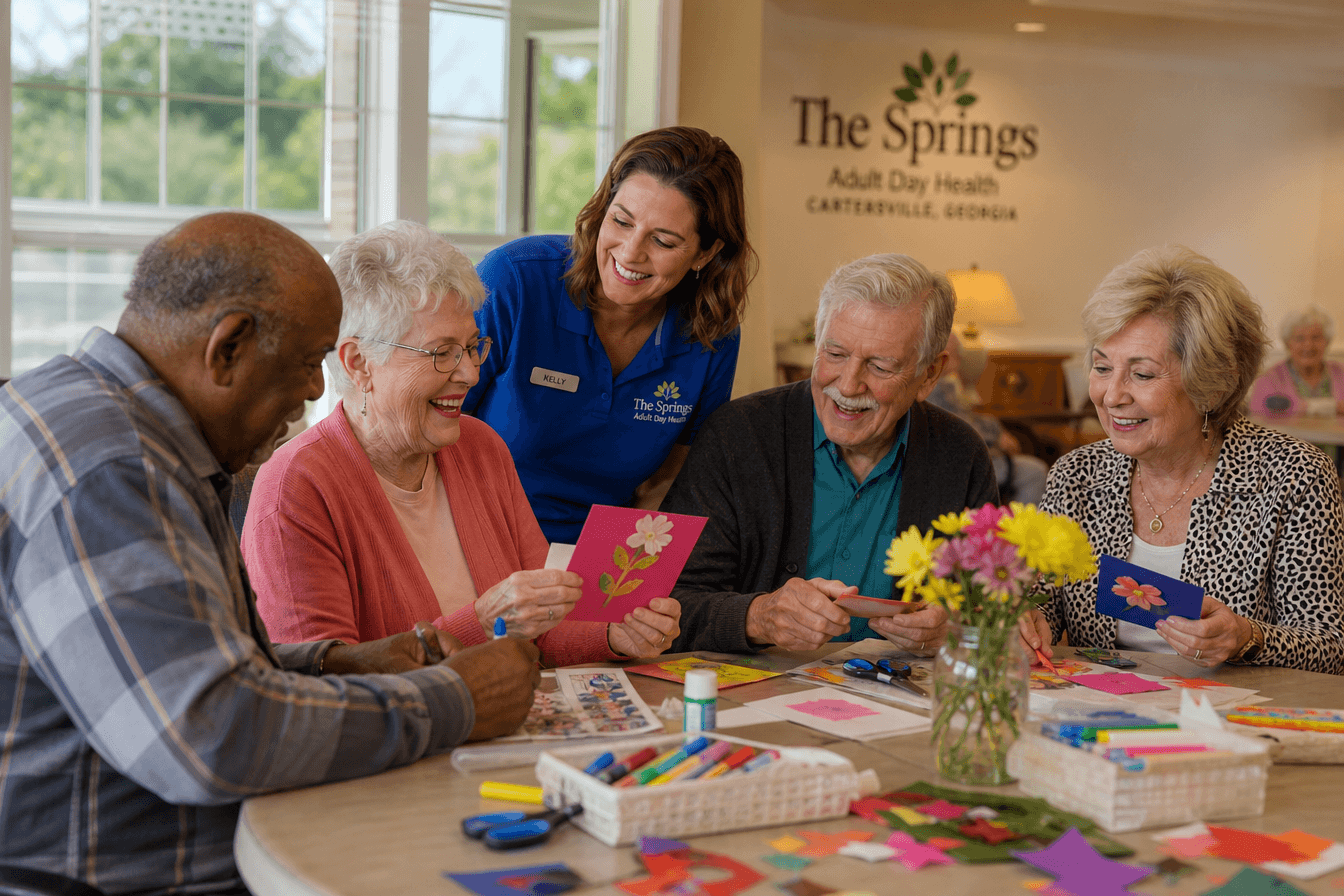
- Adult Day Health (ADH) — structured daytime programs with health services, social activities, and supervision, which doubles as reliable relief for working family caregivers.
- Respite care — temporary, planned relief so family caregivers can rest.
- Skilled Nursing Services — professional nursing for medical needs delivered in the home.
- Structured Family Caregiver (SFC) — support, training, and a stipend for a family member serving as the primary caregiver.
- Alternative Living Services (ALS) — support in approved residential settings outside the person's own home.
- Home-delivered meals — nutritionally balanced meals for those who cannot prepare their own.
- Emergency Response Services — a 24-hour in-home alert system that calls for help at the press of a button.
That Structured Family Caregiver option is worth highlighting. Many adult children and spouses are already providing round-the-clock care without pay. SFC recognizes that work, offering training, ongoing support from a coach, and a tax-free stipend, so the family member who knows the person best can keep doing the job with help behind them.
How EDWP Fits With Georgia's Other Waivers
EDWP is specifically for older adults and disabled adults at risk of nursing-facility placement. If your family member doesn't fit that profile, Georgia has other waivers that might:
- NOW and COMP waivers serve individuals with intellectual and developmental disabilities.
- ICWP (the Independent Care Waiver Program) supports adults with physical disabilities or traumatic brain injury who need a hospital or nursing-facility level of care.
- GAPP (the Georgia Pediatric Program) provides in-home skilled nursing for medically fragile children.
If you're not sure which program fits, that's normal. The right starting point still gets you to the right door.
How to Apply for EDWP

The path is more straightforward than it looks:
- Confirm Georgia Medicaid. EDWP services require Medicaid enrollment. If your loved one isn't enrolled yet, that's step one, and it can run in parallel with the rest.
- Contact your Area Agency on Aging (AAA) or the Division of Aging Services. This is the official front door for EDWP. The statewide Aging and Disability Resource Connection (ADRC) line can route you to your regional AAA.
- Complete a functional needs assessment. A care coordinator evaluates your loved one's needs to confirm they meet the Intermediate Nursing Home Level of Care criteria.
- Build the care plan. Once approved, a Care Manager works with you to design a plan and connect you with providers.
- Choose a provider you trust. This is where a home care agency like Heart and Soul Healthcare steps in to deliver the personal support, skilled nursing, and respite written into the plan.
A practical tip: waiver slots and assessments can take time, so start the conversation before a crisis forces the issue. Calling early keeps options open.
You Don't Have to Choose Between Home and Safety
The fear that drives most families is that there are only two choices: struggle alone at home, or give up and move to a facility. EDWP exists precisely because that's a false choice. With the right mix of personal support, nursing, day programs, and respite, staying home safely is a real, funded option for tens of thousands of Georgians.
If you think your parent, spouse, or loved one might qualify, the next step is a single phone call, to your Area Agency on Aging, the Georgia ADRC line, or to us. Ask what EDWP can do for your family, and let someone help you carry the load.
Ready to Get Started?
Contact Heart and Soul Healthcare today to learn how our programs can support you or your loved one.