Environmental Modifications: How ICWP Helps Make Your Home Accessible
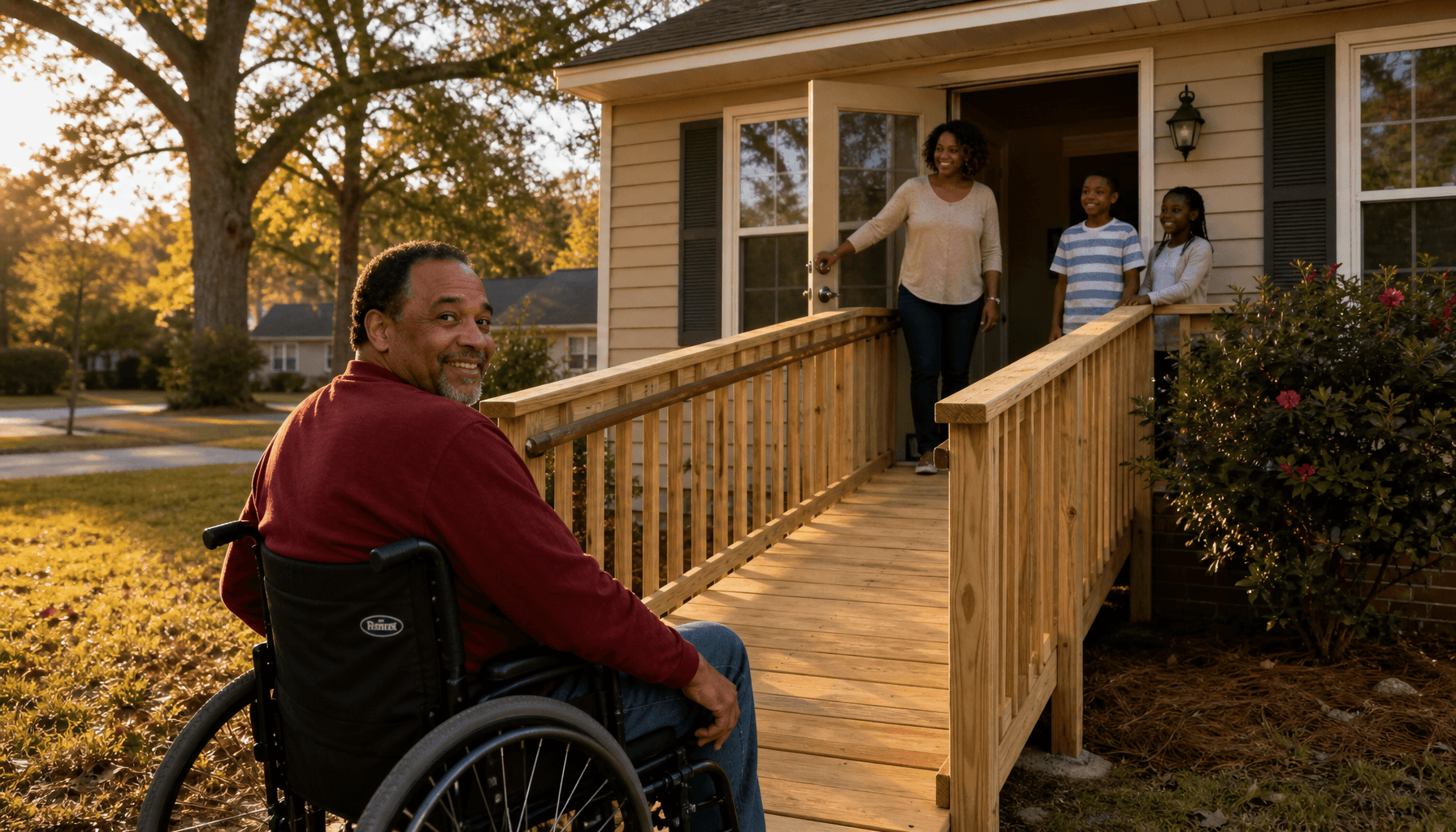
A doorway too narrow for a wheelchair. A bathtub that's quietly become dangerous. A front step that turns leaving the house into a project. For many Georgians living with a physical disability or a traumatic brain injury, the biggest barrier to independence isn't a missing service — it's the house itself.
That's where environmental modifications come in. Under the Independent Care Waiver Program (ICWP), Georgia Medicaid can pay to physically change a participant's home so it works for the person who lives there. This guide walks through what's actually covered, who qualifies, and how the request moves from "we need a ramp" to a ramp being built.
What "Environmental Modifications" Actually Means
In waiver language, an environmental modification is a physical change to the home that is medically necessary for the participant to live there safely and as independently as possible. It is not a remodel and not a repair. It is a targeted change tied directly to a specific accessibility or safety need documented in the participant's plan of care.
Common ICWP-funded modifications include:
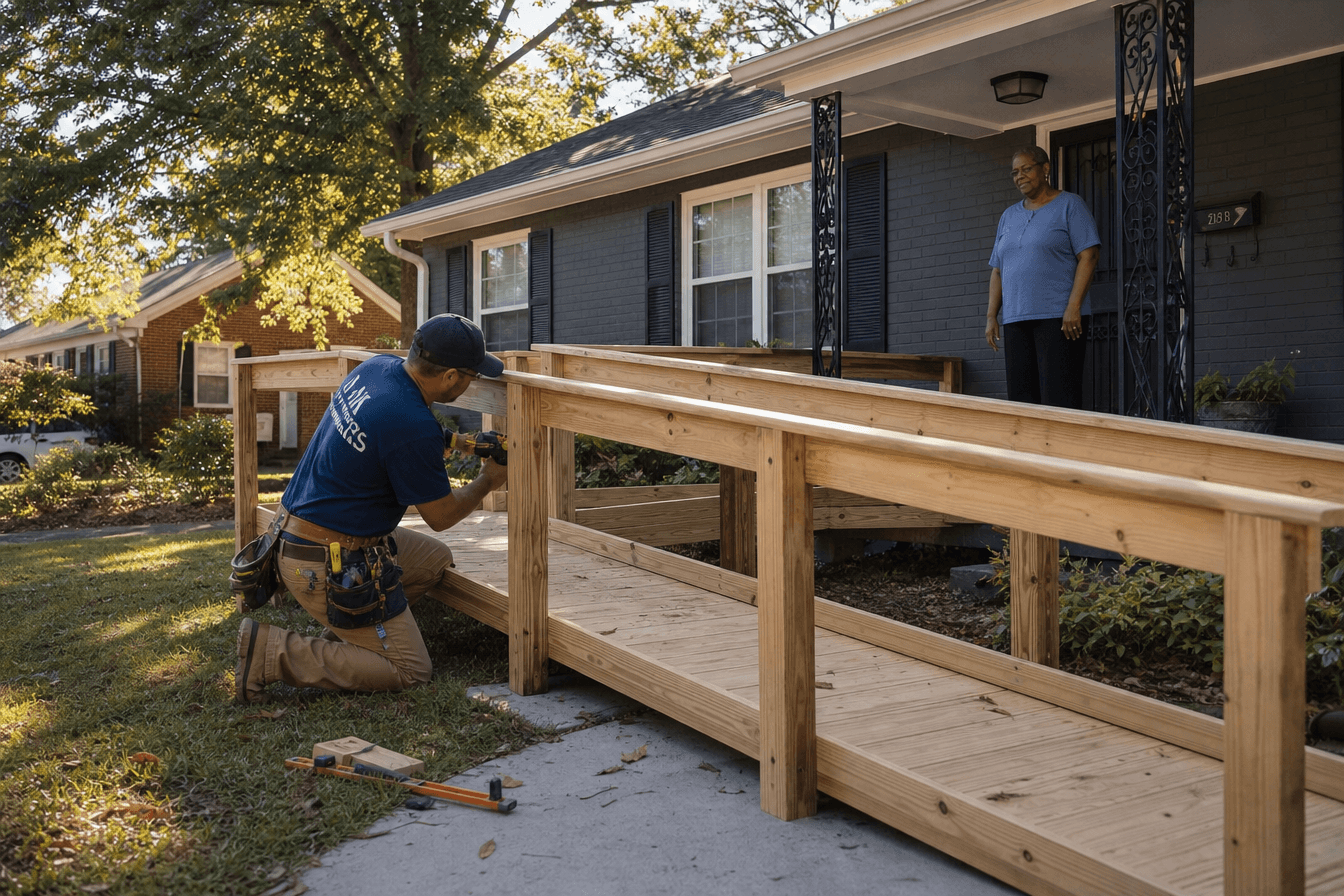
- Wheelchair ramps — exterior ramps with handrails to allow entry and exit from the home
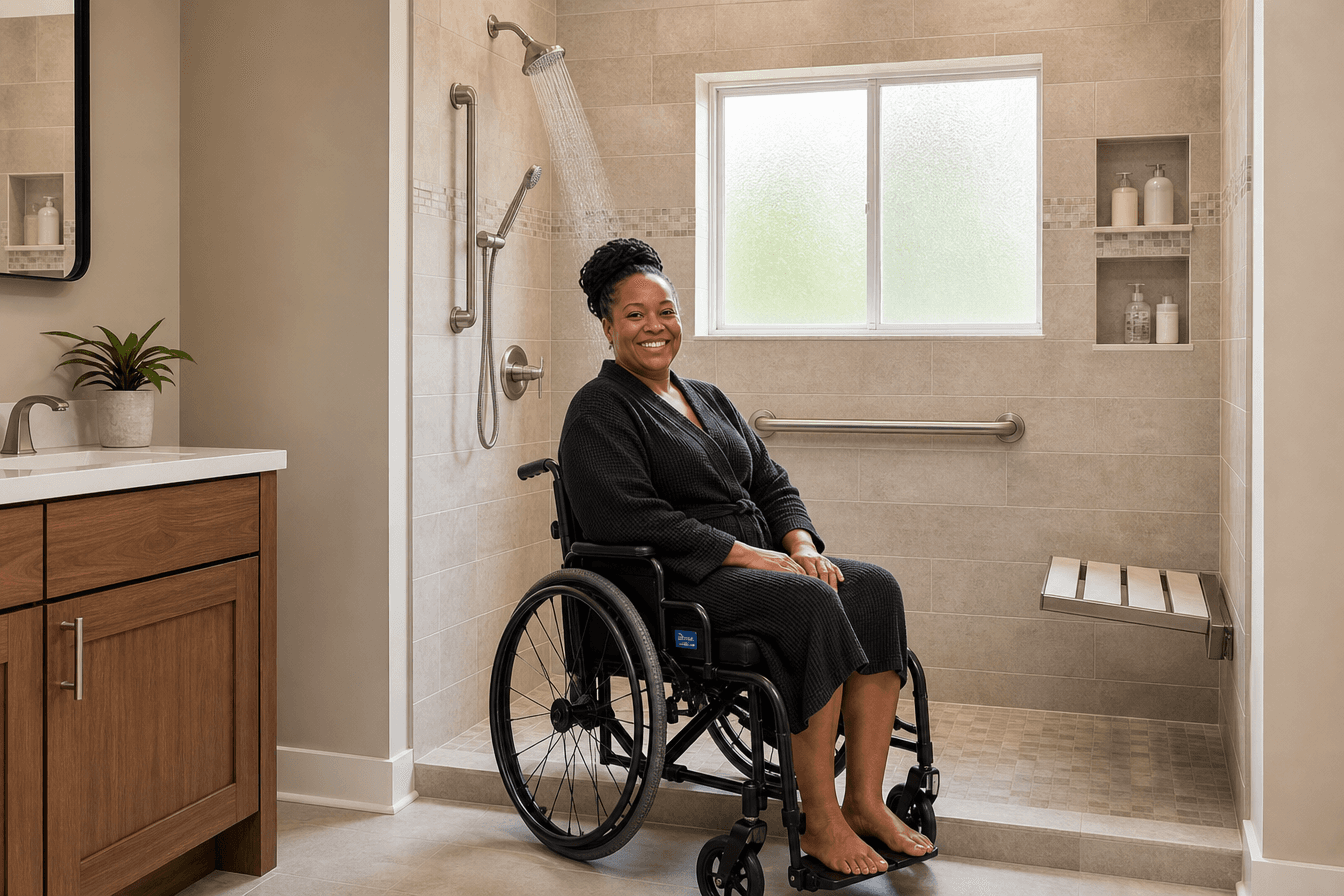
- Bathroom modifications — roll-in showers, grab bars, accessible toilets, raised vanities, and non-slip flooring
- Doorway widening — usually to 36 inches to accommodate wheelchairs and walkers
- Stair lifts or vertical platform lifts — where ramps aren't feasible due to elevation
- Specialized electrical or plumbing work — to support ventilators, oxygen concentrators, hospital beds, or accessible appliances
- Hardened flooring — replacing carpet that makes wheelchair use difficult
- Specialized door hardware — lever handles, automatic door openers
What is not covered: cosmetic upgrades, general home repairs, additions that add square footage, modifications to rental property without the landlord's written consent, or anything not tied to the participant's documented disability.
Who Qualifies
To access environmental modifications through ICWP, the participant must already be enrolled in the waiver. ICWP is for adults (and youth aged 21 and over, plus some younger participants meeting specific criteria) with:
- A physical disability severe enough to meet a hospital or nursing facility level of care, or
- A traumatic brain injury (TBI) with cognitive or physical impairments
Beyond enrollment, the modification itself has to pass a separate test. It must:
- Be medically necessary — documented by the participant's physician and the support coordinator
- Be cost-effective — meaning it's reasonably priced compared to the alternative (often, continued nursing facility care)
- Address a specific barrier the participant currently faces in their home
- Be performed in the participant's primary residence (not a vacation home or relative's house they visit occasionally)
A useful test we share with families: if a friend asked, "Why does this need to be built right now?" — could you answer it in one sentence tied to the person's disability? If yes, it's likely an environmental modification. If the answer is more about general home improvement, it probably isn't.
How the Request Process Works
Here's the realistic path from need to construction. Timelines vary, but most modifications take two to four months from request to completion.
Step 1: Talk to Your Support Coordinator
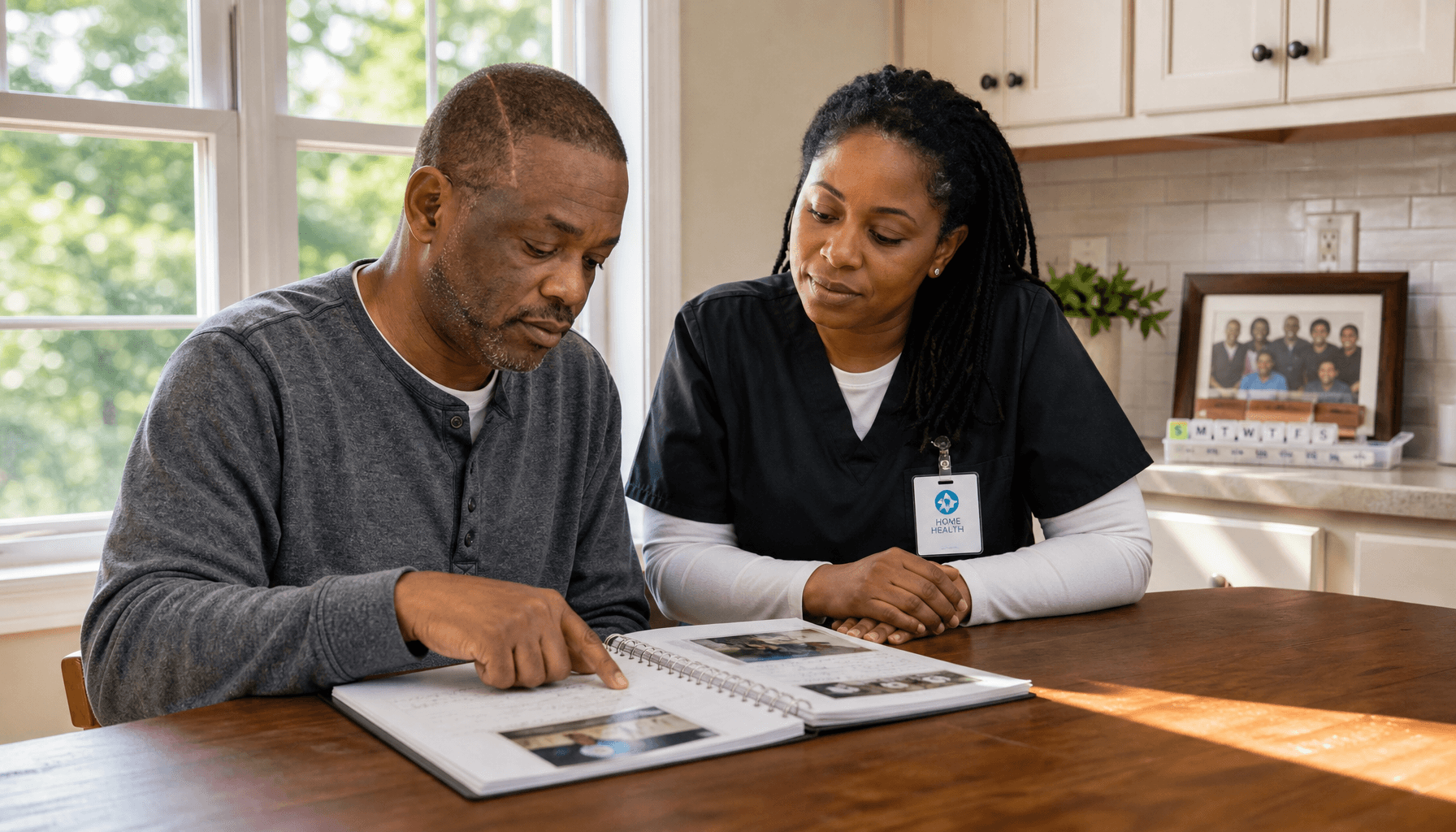
Every ICWP participant has a support coordinator (sometimes called a case manager). They are the first call. The request always flows through them — not directly from the family to a contractor.
Tell them:
- What specifically isn't working (a description of the barrier)
- When it became a problem (recent decline, new equipment, new mobility limitation)
- What you've tried already (a portable ramp, transfer board, etc.)
Step 2: The Home Assessment
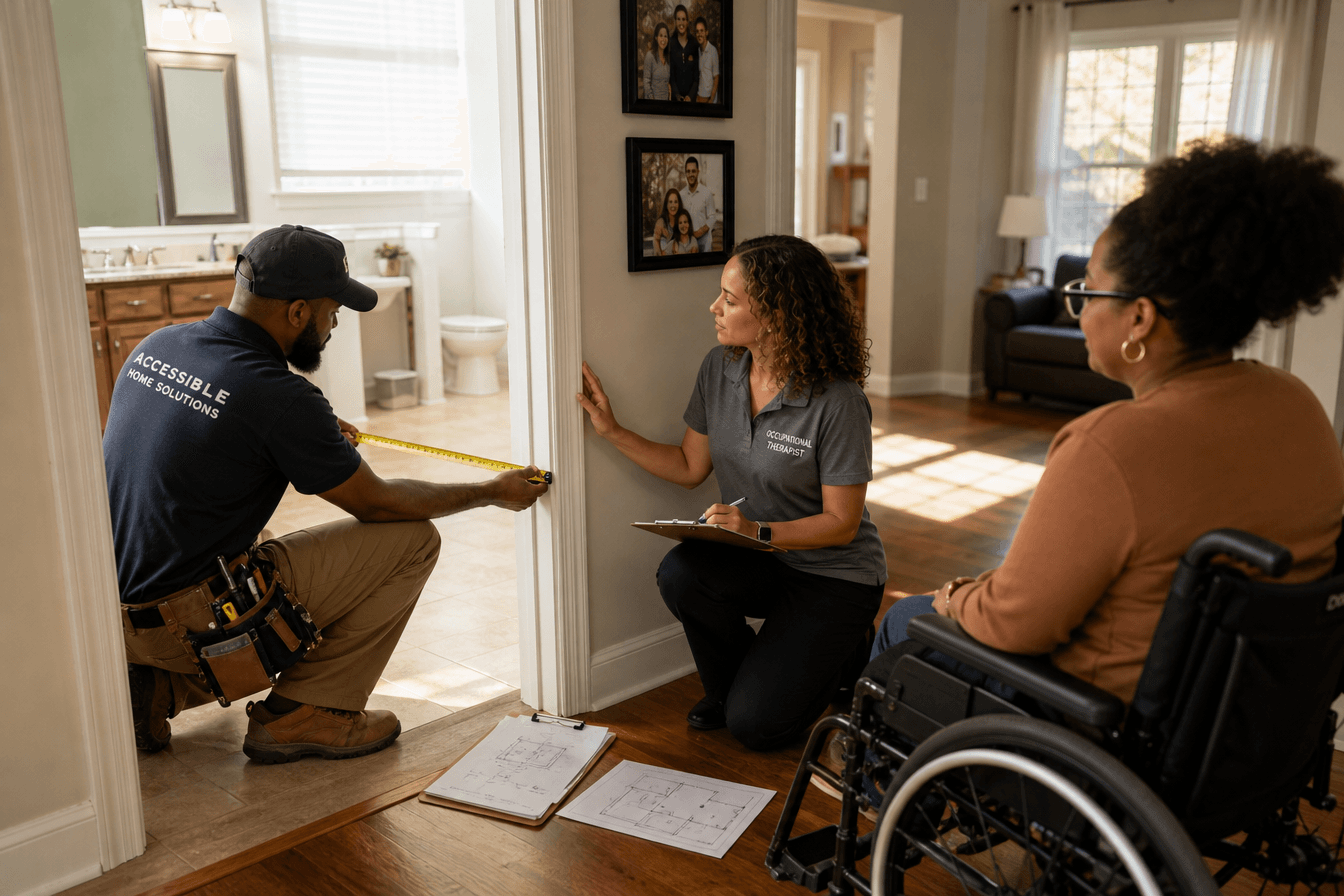
Once the need is documented, the support coordinator arranges an on-site assessment. Depending on the modification, this may include:
- An occupational therapist (OT) or physical therapist (PT) who evaluates the participant's functional needs
- A licensed contractor approved to do Medicaid waiver work
- The support coordinator themselves
They measure doorways, photograph the bathroom, look at the elevation from the driveway to the front door, and confirm what's medically necessary versus what's a preference. The OT's recommendations are often the most important document in the file — they're what justifies the modification clinically.
Step 3: Bids and Plan of Care Update
The contractor produces a written bid. For larger projects, ICWP may require multiple bids to confirm the cost is reasonable. The support coordinator adds the requested modification — with cost and clinical justification — to the participant's plan of care, which is then submitted for approval.
Step 4: Approval and Construction
Approval comes from the state. Once it lands, the contractor schedules the work. Most projects are completed in days, not weeks — a standard ramp can go up in two or three days; a full bathroom conversion may take one to two weeks.
After completion, the support coordinator verifies the work was done as approved before payment is released. You do not pay the contractor directly.
Lifetime Limits and Combining Resources
ICWP environmental modifications carry a lifetime benefit cap — meaning the total spent on home modifications across a participant's time on the waiver cannot exceed a set dollar amount set by the Georgia Department of Community Health. Once exhausted, additional modifications generally aren't covered.
That makes prioritization important. We often advise families to think about modifications in this order:
- Safety-critical first — bathroom changes (most falls happen there), ramps for emergency exit
- Daily independence next — doorway widening, kitchen access
- Quality of life last — upgraded hardware, additional accessibility features
Many families also combine ICWP modifications with:
- County or city disability housing grants (Habitat for Humanity ramp programs, local Area Agencies on Aging)
- Veterans Administration grants if the participant is a veteran (HISA and SAH grants can be substantial)
- Nonprofit rebuilding programs (Rebuilding Together affiliates in metro Atlanta and other regions)
A good support coordinator knows the local landscape and can stack these resources so the ICWP cap stretches further.
If You Rent Your Home
Renters can still access environmental modifications, but with one critical requirement: written landlord consent. The landlord has to agree, in writing, that the modification can be installed — and often, that it does not have to be removed when the lease ends.
In practice, ramps and grab bars are usually approved easily. Doorway widening and bathroom modifications can be a harder sell to landlords. If your landlord refuses, your support coordinator can sometimes help find a more flexible accessible rental, but the timing rarely works in an emergency.
If you're house-hunting or considering a move, factor accessibility in before you sign. Modifying a home you've just moved into is far easier than modifying one a landlord won't touch.
What About Family Caregivers
A common question: can ICWP modify a home where the participant lives with a family caregiver rather than alone? Yes, as long as the home is the participant's primary residence. The modification must serve the participant's accessibility, not the caregiver's convenience — but in practice, accessible bathrooms and entryways make life dramatically easier for both.
Where ICWP Fits Alongside Other Supports
Environmental modifications are one piece of a much bigger toolbox. ICWP also covers personal support services, skilled nursing, adult day health, specialized medical equipment, and respite care for caregivers. If you're new to the program, our overview of ICWP walks through the full benefit list.
For Georgians who don't qualify for ICWP but need similar support, related options include:
- NOW and COMP waivers for adults with intellectual and developmental disabilities
- EDWP (CCSP and SOURCE) for older adults who would otherwise need nursing facility care
- GAPP for medically fragile children under 21
Eligibility differs across each — a support coordinator or care navigator can help you find the right door.
The Bigger Picture
A ramp is not just a ramp. A roll-in shower is not just a shower. For most ICWP participants, environmental modifications are the difference between living at home and living managed by their home. They make it possible to leave the house for work, for church, for medical appointments — and to come back to a place that fits the person they are now, not the person they were before the disability.
If you think your home isn't working and you're on ICWP — or you suspect you might qualify — the next step is a conversation with a support coordinator. Don't wait until a fall, a hospitalization, or a discharge planner is asking where the ramp is. The earlier the request, the better the options.
Ready to Get Started?
Contact Heart and Soul Healthcare today to learn how our programs can support you or your loved one.