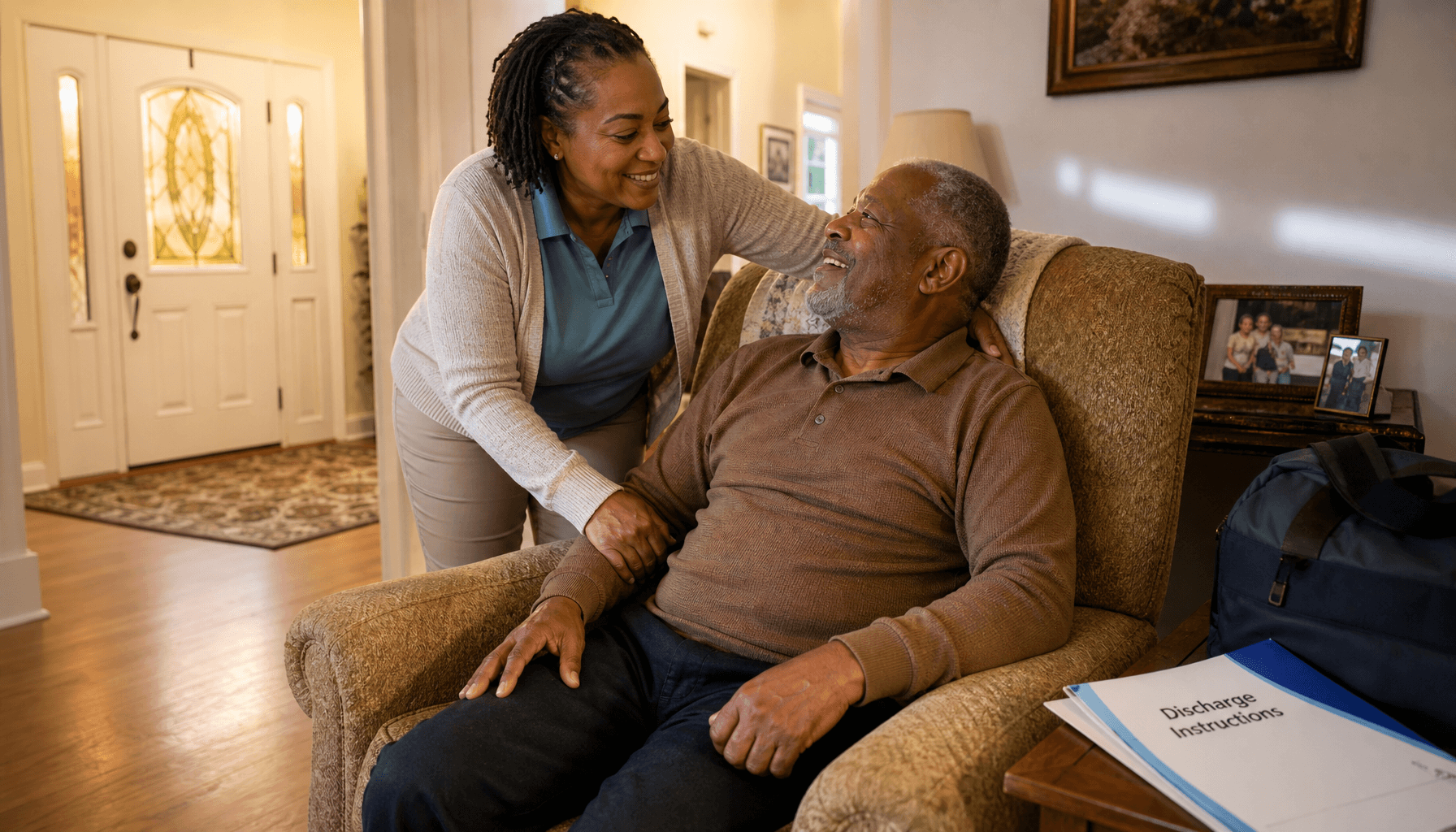
Signs Your Aging Parent May Need Home Health Support

Most families don't decide their parent needs help all at once. There's no single moment, no alarm that goes off. Instead there's a slow accumulation of small things: a stack of unopened mail, a favorite sweater with a stain that never used to be there, a phone call where Mom repeats the same story twice in ten minutes. Individually, each is easy to explain away. Together, they're often the earliest signal that an aging parent could use more support at home.
The hard part is that the people closest to the situation are usually the last to see it. When you visit every week, gradual change hides in plain sight. This guide is meant to help you step back and read the signs clearly, so you can act early, while there are still good options, rather than waiting for the fall or the hospital stay that forces everyone's hand.
The Signs Rarely Announce Themselves
Aging parents are often experts at covering. They tidy up before you arrive, give reassuring answers on the phone, and genuinely don't want to be a burden. So the useful signs aren't the ones they tell you about. They're the ones you notice by paying closer attention.
Think in terms of change over time rather than a single snapshot. The question isn't "Is Dad old?" It's "Is Dad doing something now that he handled easily a year ago?"
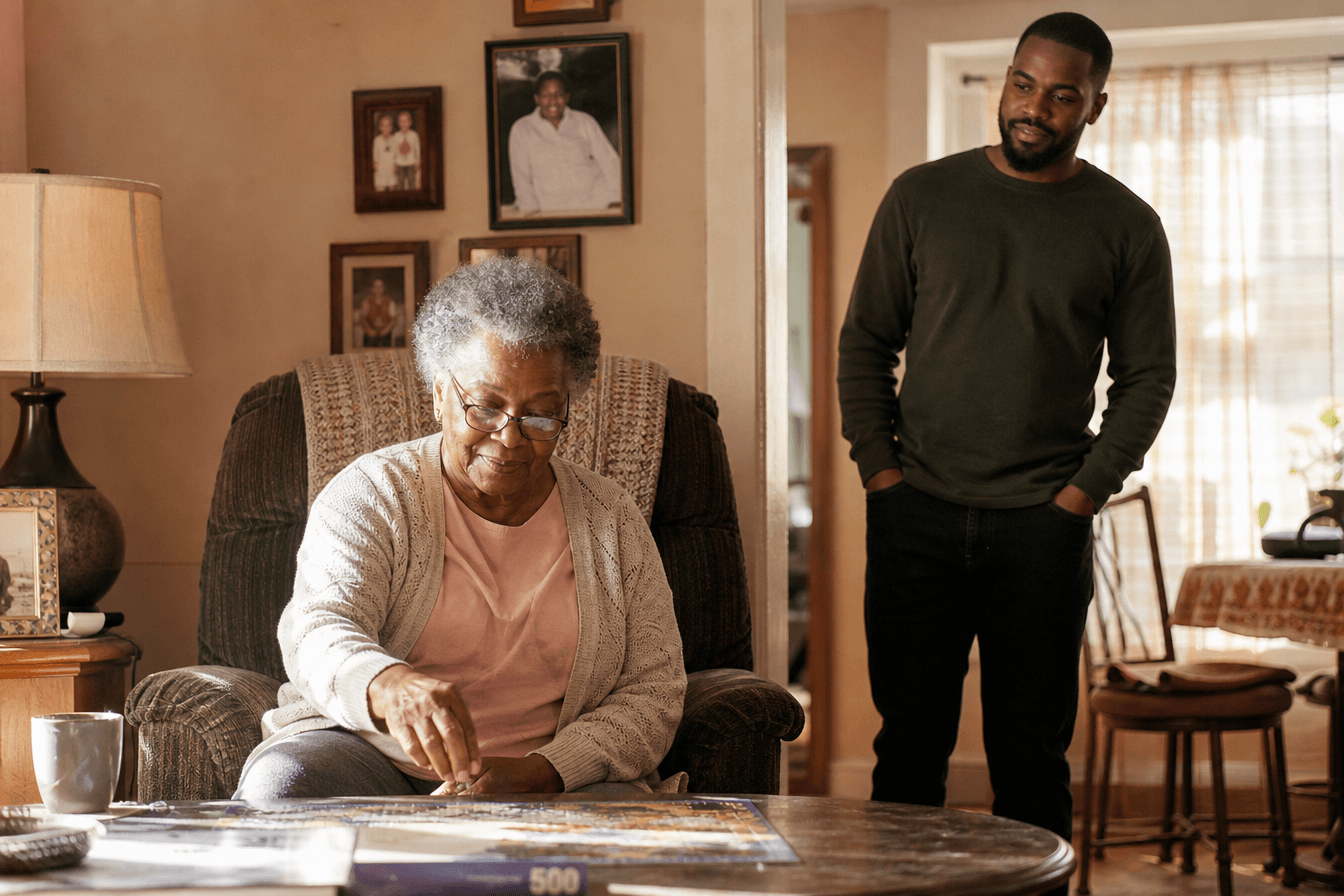
Changes in the Body and Daily Routine
Physical signs are often the first to appear, and they tend to show up in the ordinary rhythms of the day. Watch for:
- Unexplained weight loss — clothes hanging loose, a fridge that's nearly empty or full of expired food, or meals skipped because cooking has become too hard.
- Trouble with mobility — reaching for walls and furniture, difficulty rising from a chair, a new shuffle in their walk, or fear of stairs they used to climb without thinking.
- Bruises or minor injuries they can't quite explain, which can be a quiet sign of falls they haven't mentioned.
- Declining personal hygiene — unwashed hair, body odor, or wearing the same clothes for days, especially in someone who was always meticulous.
- Medication mistakes — pill bottles that are too full or too empty, expired prescriptions, or confusion about what to take when.
One of the clearest questions to ask yourself: could my parent get up safely, get to the bathroom, take the right medication, and feed themselves a real meal if I weren't checking in? If any of those is now a maybe, that's worth taking seriously.
Falls in particular deserve attention. A single fall in an older adult is not just an accident. It's a warning that balance, strength, or vision has changed, and it sharply raises the risk of a more serious injury down the road. Home health support can address the underlying causes before the next fall lands someone in the hospital.
Changes in Memory and Mood
Cognitive and emotional shifts can be harder to spot than physical ones, and they're easy to mistake for "just getting older." Some forgetfulness is normal with age. The signs worth noting are the ones that start affecting safety and daily function:
- Repeating questions or stories within a short span of time.
- Missed appointments, unpaid bills, or unopened mail piling up, especially from someone who was always organized.
- Getting lost on familiar routes, or confusion about the day, date, or season.
- Withdrawal from friends, church, hobbies, or activities they used to love.
- Noticeable changes in mood — new irritability, anxiety, sadness, or flatness that lingers.
Isolation and low mood aren't just quality-of-life issues. Loneliness in older adults is linked to faster physical and cognitive decline. A parent who has stopped leaving the house or answering the phone may need connection and support as much as any medical service.

Changes You Notice in the Home Itself
Sometimes the person looks fine, but the house tells the story. Walk through it with fresh eyes:
- Spoiled or expired food in the refrigerator and pantry.
- Scorched pots, or signs the stove was left on.
- Clutter or dirty laundry in a home that used to be kept neat.
- Stacks of unpaid bills, late notices, or duplicate purchases.
- Scam mail or evidence of financial confusion, which can signal both cognitive change and real vulnerability.
None of these means your parent has failed. They mean the tasks of running a household have quietly outgrown what one person can manage alone, and that a little help could restore both safety and dignity.
What Home Health Support Can Actually Do

Here's the reassuring part: needing support does not mean losing independence, and it does not mean a nursing home. For most families, the goal is exactly the opposite, to keep a parent safely in their own home for as long as possible. Home health support can range from a few hours of personal care each week to skilled nursing, and it's designed to fit around the life your parent already has.
Depending on your parent's situation and eligibility, that support might include:
- Personal support — help with bathing, dressing, grooming, meals, and light housekeeping.
- Skilled nursing — medication management, wound care, and monitoring of chronic conditions like diabetes or heart failure.
- Care coordination — a professional who helps organize appointments, medications, and communication with doctors.
In Georgia, several Medicaid programs help fund this kind of care at home. The Elderly and Disabled Waiver Program (EDWP), delivered through CCSP and SOURCE, supports older adults who would otherwise need nursing-facility care but want to remain at home. For adults living with a physical disability or traumatic brain injury, the Independent Care Waiver Program (ICWP) covers personal support and skilled nursing. And for families navigating disability supports more broadly, the NOW and COMP waivers fund home- and community-based services that keep people out of institutions. If your loved one is a medically fragile child rather than an aging parent, the Georgia Pediatric Program (GAPP) provides in-home skilled nursing.
Starting the Conversation
Recognizing the signs is one thing. Talking to your parent about them is another, and it's often the harder step. A few things help:
- Lead with love, not a checklist. "I want you to be able to stay in your home, and I want to make sure you're safe here" lands very differently than "You can't manage anymore."
- Focus on specific tasks, not on aging. Offering help with medications or meals feels less threatening than a conversation about "getting old."
- Involve them in the decision. Support that's chosen with a parent lasts; support that's imposed on them gets resisted.
- Move before the crisis. The best time to arrange home health is while your parent can still weigh in, not from a hospital hallway after a fall.
You don't have to have all the answers before you reach out. You just have to notice that something has changed, and be willing to ask what help is available. If the signs in this guide sound familiar, that instinct is worth trusting. Starting the conversation early is one of the most loving things a family can do, and support at home is closer and more attainable than most people realize.
Ready to Get Started?
Contact Heart and Soul Healthcare today to learn how our programs can support you or your loved one.
Related Articles
Continue reading about Caregiver Resources